May 2026-05-26
In many commercial printing factories, productivity losses rarely come from the press itself. Instead, bottlenecks often appear between processes — especially during pile turning, pallet exchange, and sheet alignment.
One packaging plant in Eastern Europe recently reported that operators spent nearly 18% of their shift manually repositioning paper stacks before feeding them into the next production stage. The issue was not machine speed. It was a workflow interruption.
As print volumes increase and delivery cycles become shorter, manufacturers are paying closer attention to how sheet handling systems influence total production efficiency.
When handling large paper piles or laminated sheets manually, several problems tend to occur:
• Uneven stack alignment
• Surface scratches during transfer
• Increased operator fatigue
• Delays between printing and die-cutting
• Pallet instability during movement
These issues become more obvious in facilities processing coated board, duplex paper, or high-volume packaging materials.
According to data published by the International Organisation for Standardisation (ISO) regarding industrial ergonomics and material handling efficiency, repetitive manual adjustment tasks significantly increase downtime risks and operator strain in continuous production environments.
Modern sheet handling systems aim to solve these problems through automation, synchronised turning mechanisms, and precision lifting structures.
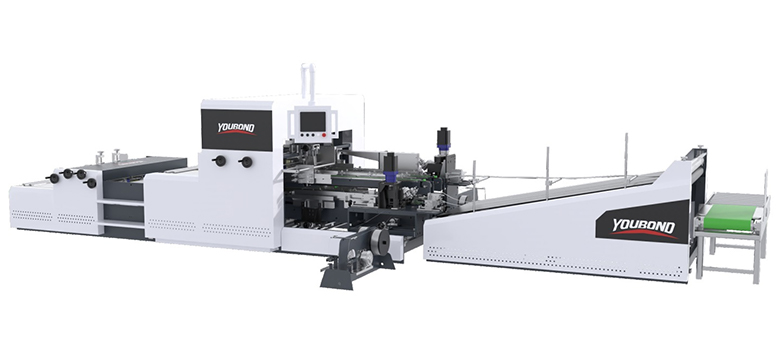
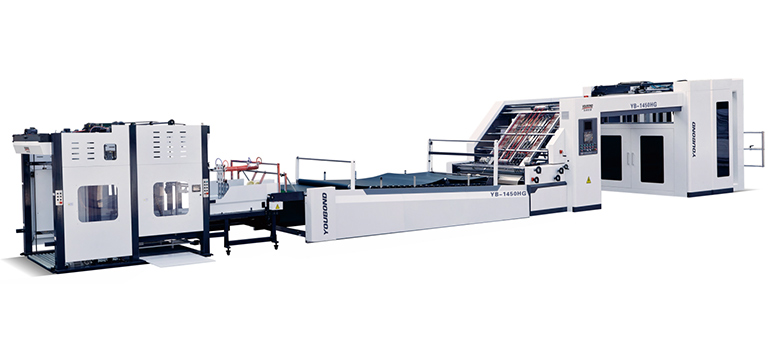
For factories seeking smoother pallet exchange and faster batch turnover, many production managers now prefer high-speed pallet turning solutions for offset printing workflows that reduce manual intervention.
A common misconception is that productivity depends only on operating speed. In reality, poor alignment can create more waste than slow transfer cycles.
If sheets are not evenly aligned after turning:
• Feeding errors increase
• Registration accuracy decreases
• Downstream cutting precision suffers
• Scrap rates rise
Factories running folding carton production often notice that slight stack instability affects the consistency of die-cutting registration later in the workflow.
Advanced systems now integrate:
• Hydraulic pressure balancing
• Air-assisted vibration alignment
• Automatic centring controls
• Non-marking clamping surfaces
These features help maintain sheet consistency while reducing operator adjustments.
A production supervisor from a Southeast Asian packaging supplier noted that introducing automated alignment reduced rework rates by nearly 12% during peak seasonal orders.
Not every automated handling solution delivers the same productivity gains. The most effective configurations usually combine multiple workflow improvements rather than focusing on a single speed metric.
Quick pallet replacement minimises idle time between production batches.
Systems with automatic pallet insertion allow operators to continue workflow transitions without stopping adjacent equipment.
This becomes especially valuable in:
• Food packaging plants
• Pharmaceutical carton production
• High-volume commercial printing
Facilities looking to improve transition speed often evaluate automated pallet exchange systems for continuous sheet processing before upgrading entire press lines.
Coated paper and laminated materials are highly sensitive during transfer.
Modern turning structures use controlled pressure systems that minimise:
• Edge curling
• Surface abrasion
• Static buildup
• Corner deformation
This is particularly important for luxury packaging applications where visual defects directly impact product value.
Many factories hesitate to upgrade because they fear installation complexity.
However, newer modular systems are designed for easier integration with:
• Offset printing presses
• Die-cutting lines
• Laminating systems
• Automatic feeding equipment
Instead of replacing entire workflows, manufacturers can often improve efficiency step by step.
Labour shortages continue to affect manufacturing industries globally. Repetitive handling tasks are becoming harder to staff, especially during night shifts or seasonal production peaks.
Automated stack turning helps reduce dependency on manual positioning while improving operational consistency.
Importantly, automation does not simply replace labour. In many factories, it reallocates workers toward:
• Quality inspection
• Production monitoring
• Maintenance management
• Workflow coordination
A North American folding carton supplier reported shorter onboarding time for new operators after implementing automated handling procedures because fewer manual adjustments were required during production.
For businesses aiming to balance output growth with labour efficiency, sheet handling equipment designed for stable high-volume production can significantly simplify workflow management.
Some factorise the maximum turning speed without evaluating overall compatibility.
This can create long-term inefficiencies if:
• Machine dimensions exceed workflow space
• Lifting capacity does not match substrate weight
• Alignment precision is inconsistent
• Maintenance access is limited
Before investing, production teams should evaluate:
• Daily sheet volume
• Substrate types
• Existing pallet dimensions
• Workflow bottlenecks
• Operator safety requirements
A proper evaluation often reveals that stability and integration produce better ROI than pure speed alone.
High-performance printing operations depend on more than fast presses. Material flow between processes has become equally important.
As packaging demand grows and turnaround expectations tighten, manufacturers are increasingly focusing on reducing non-printing downtime.
Reliable stack alignment, safer pallet exchange, and smoother workflow integration now play a central role in overall production efficiency.
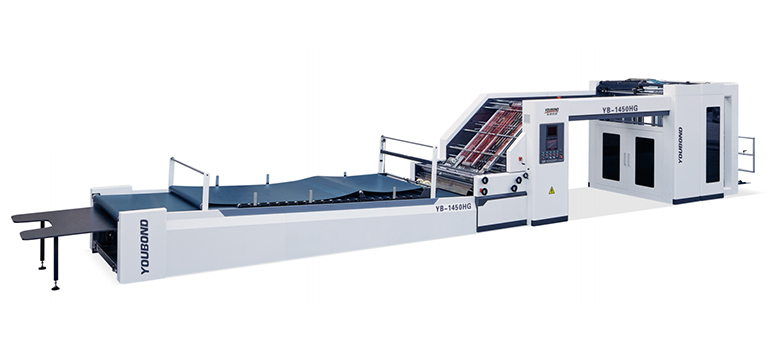
If you hope to improve production stability while reducing manual handling interruptions, it may be worth exploring Yongbang’s industrial sheet turnover systems for large-format printing environments to better understand how modern automation supports high-volume operations.
GET A QUOTE
 English
 China
China